


 Tweet
Tweet
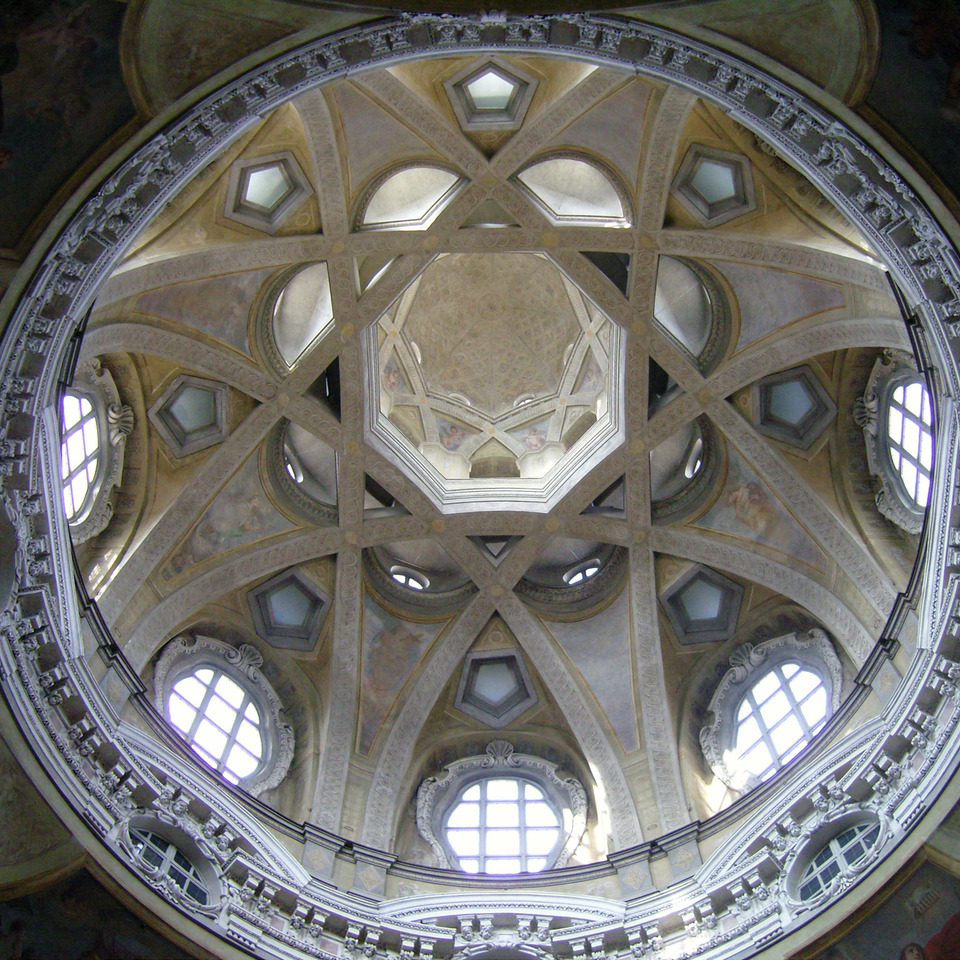
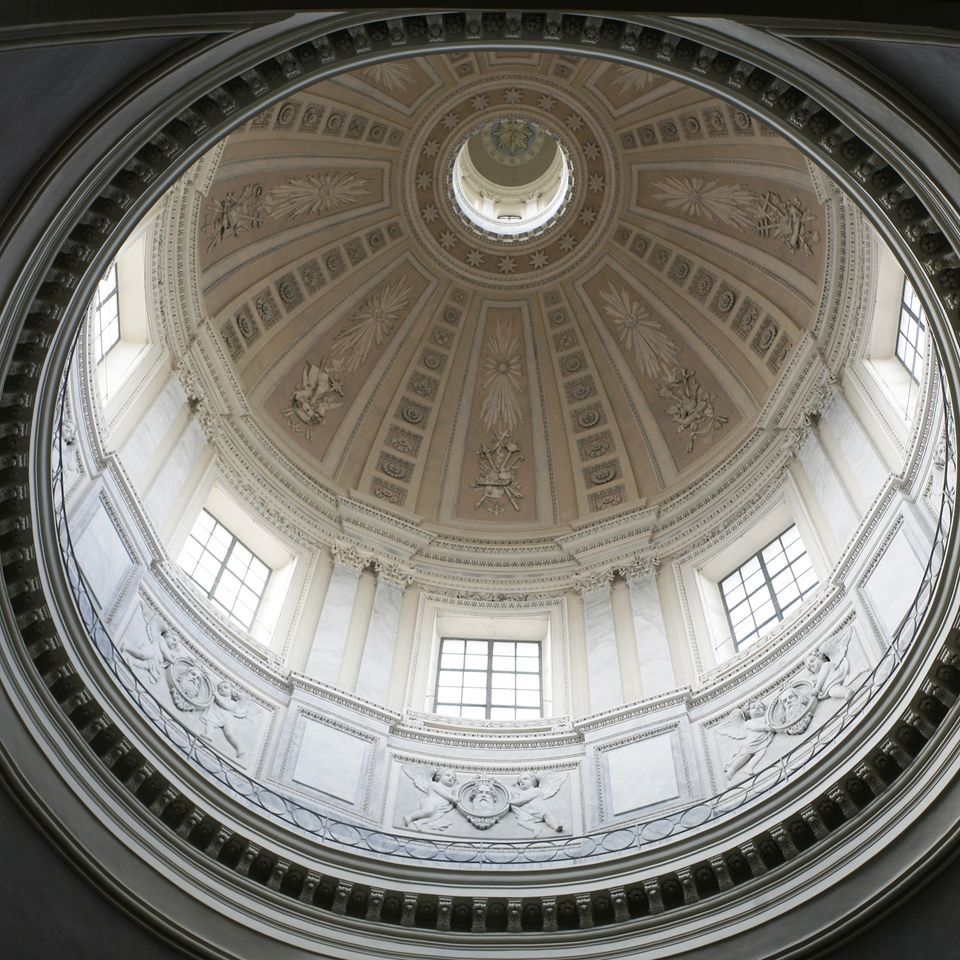
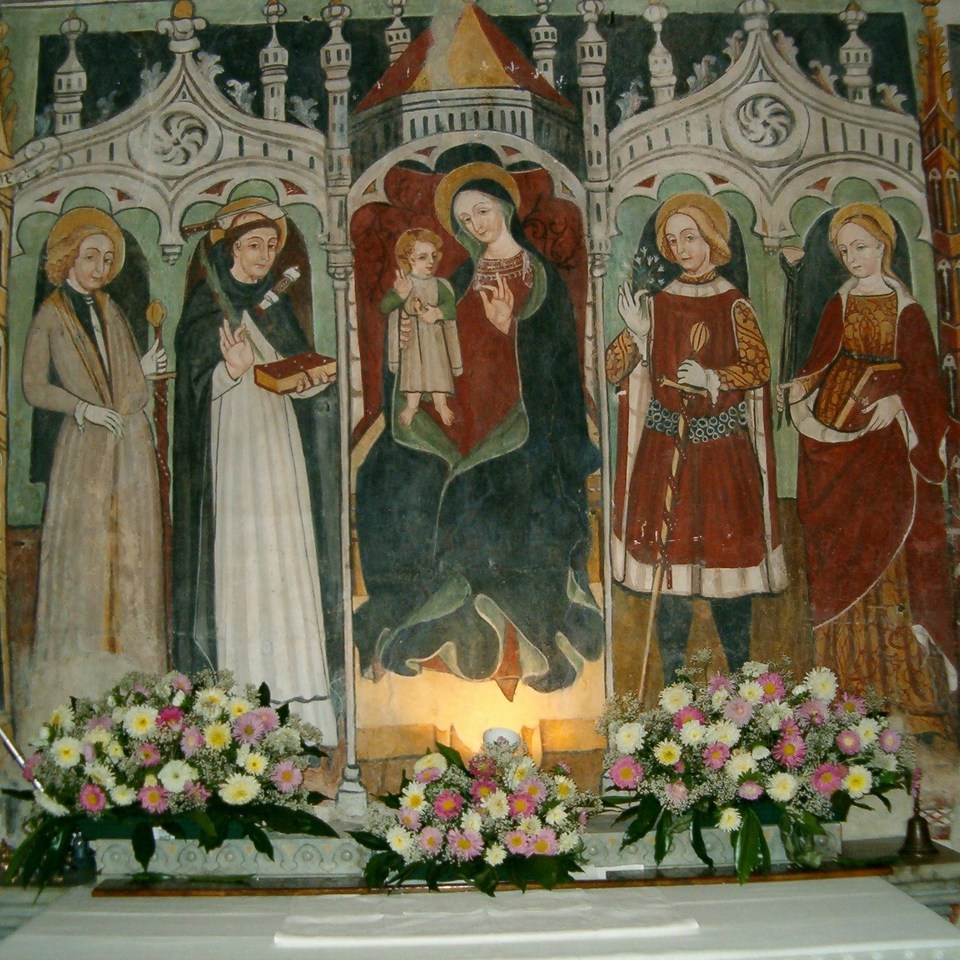
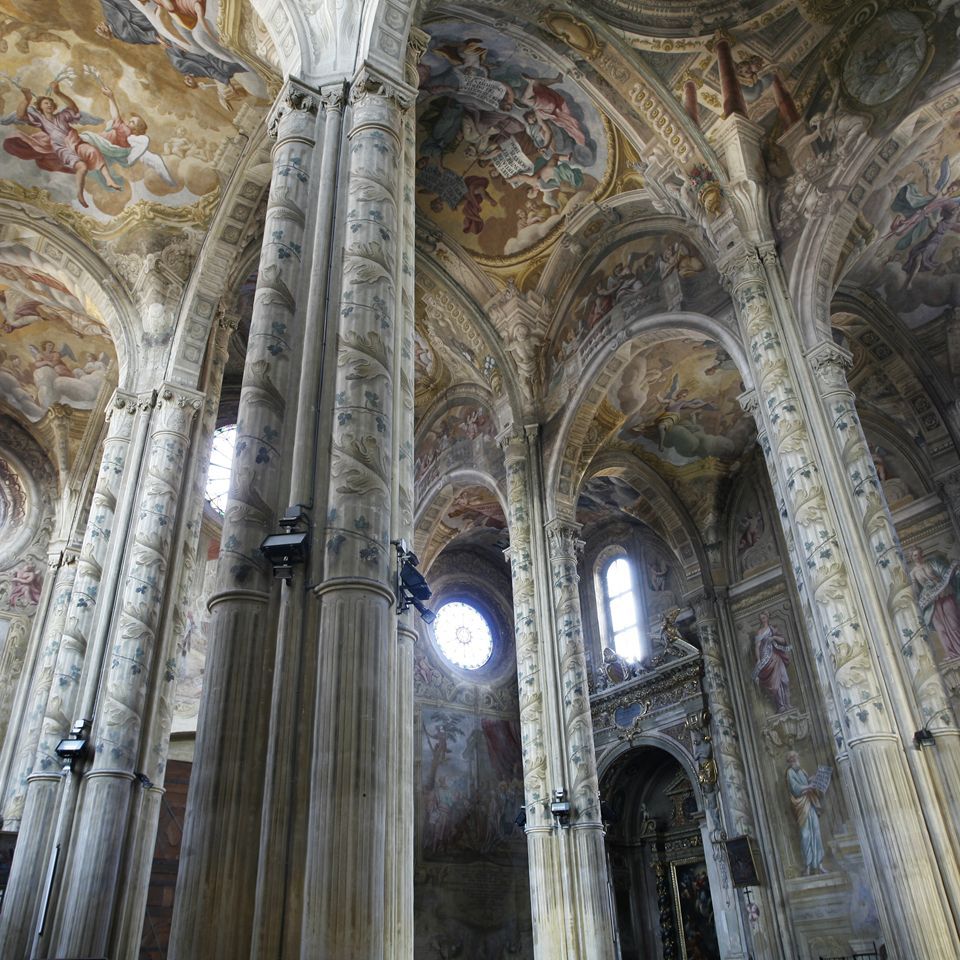
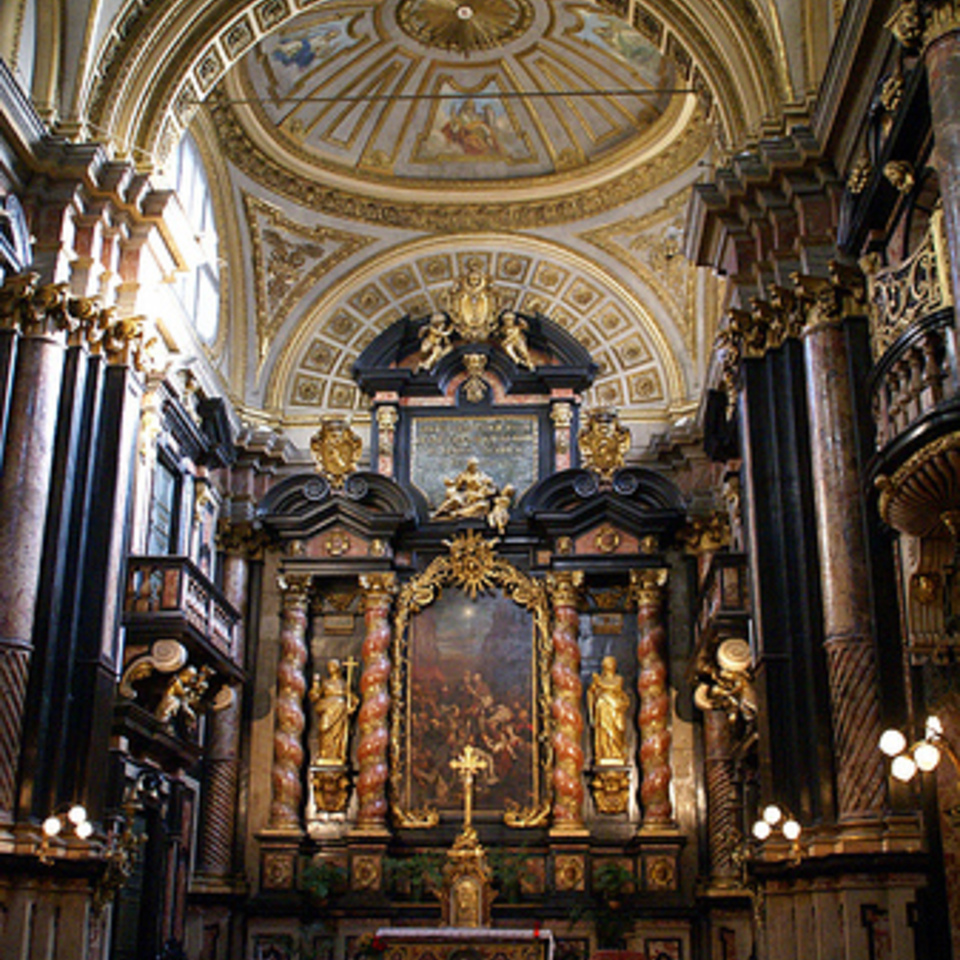
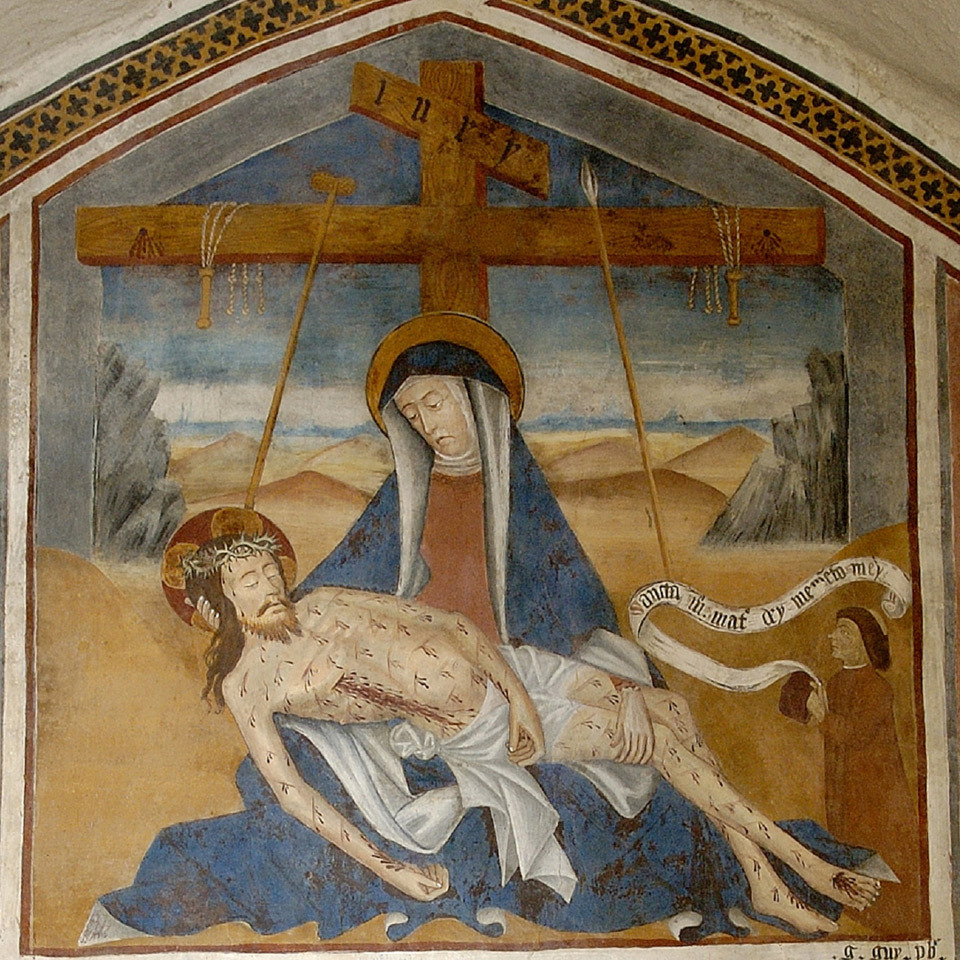
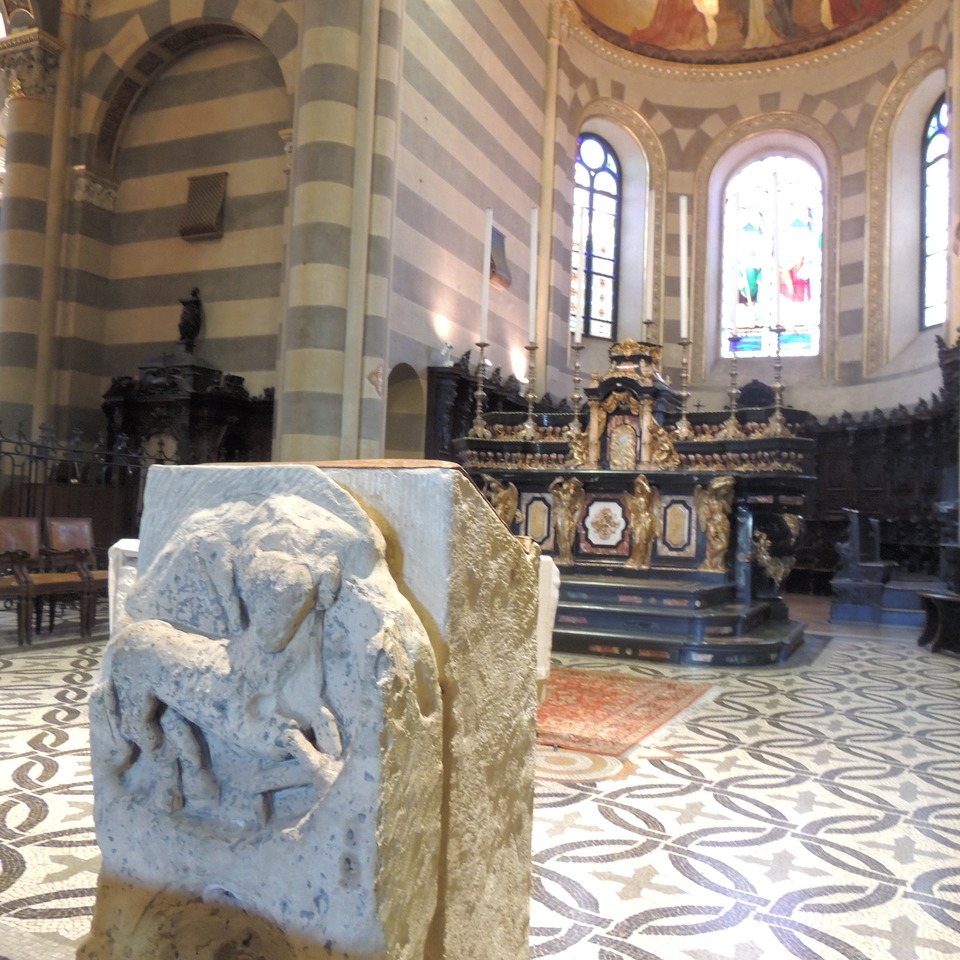
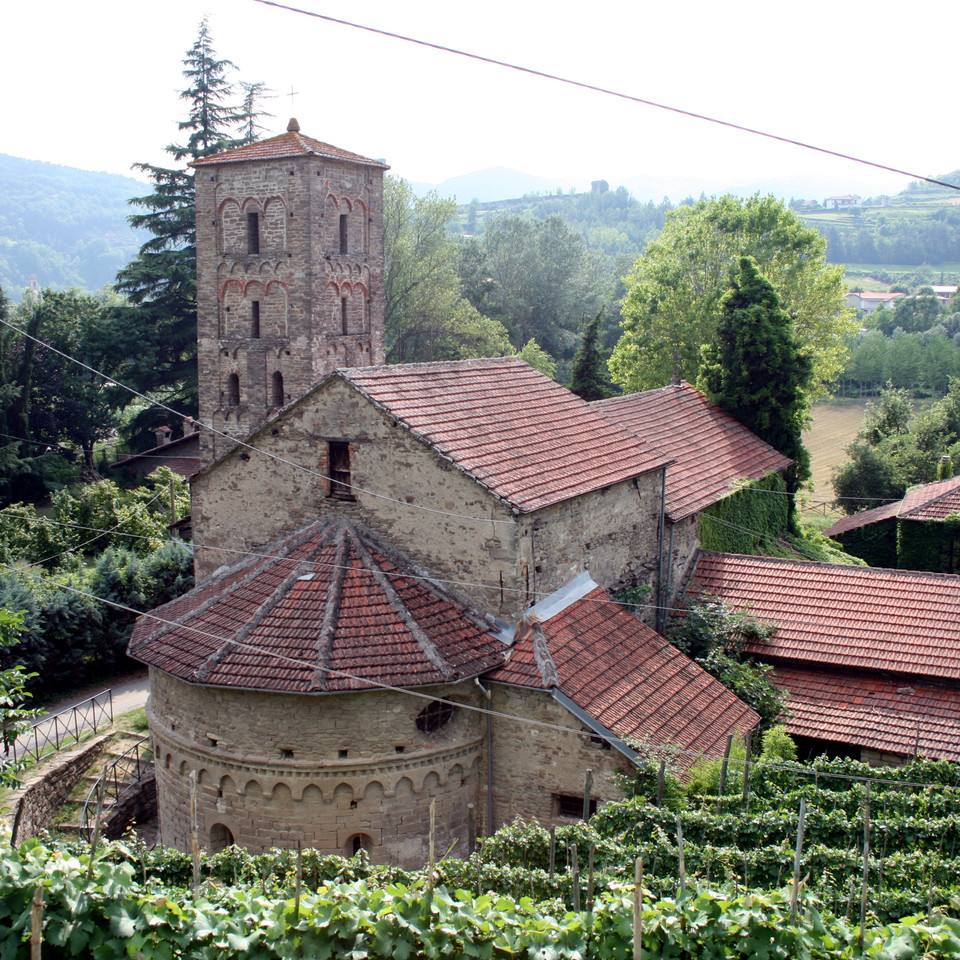
CITIES AND CATHEDRALS
PIEDMONT AND VAL D'AOSTA
In the recent past, the significant ecclesiastical cultural heritage of Piedmont and Valle d’Aosta has been the subject of important research, restoration and special maintenance, thanks to a virtuous partnership involving the Church, public authorities, Piedmontese banking foundations, and the local communities.
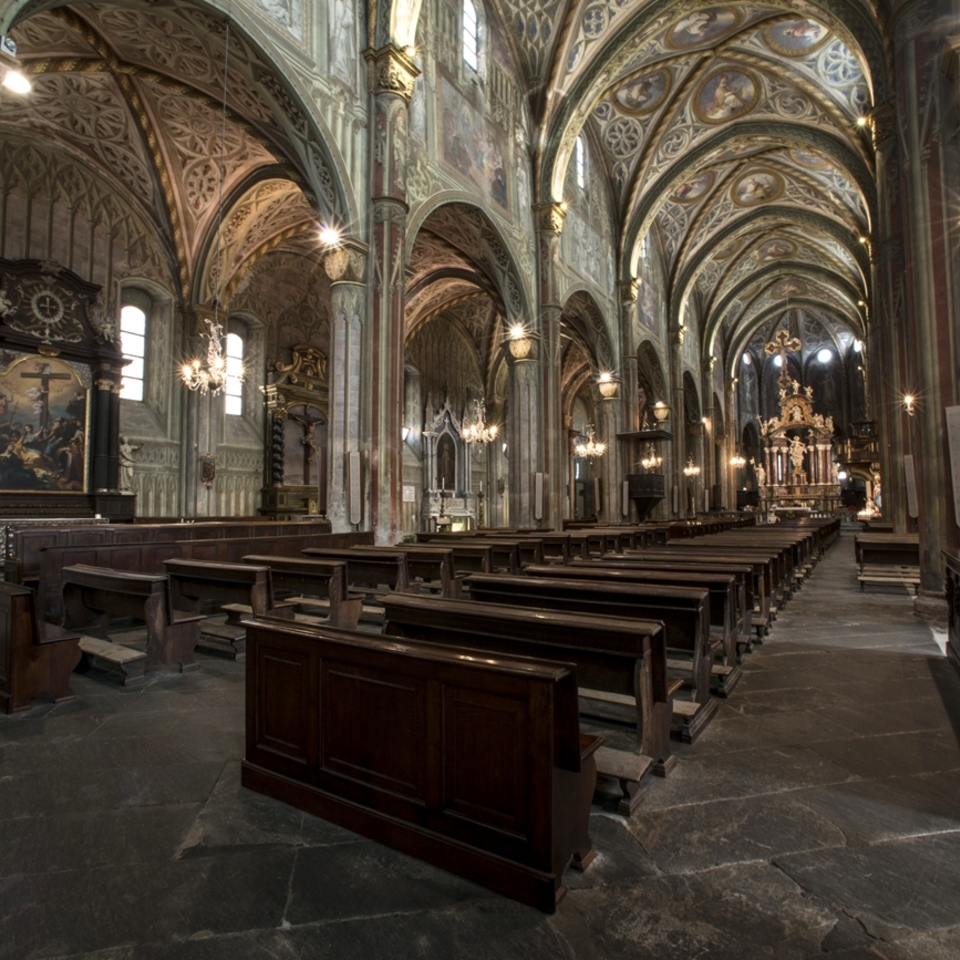
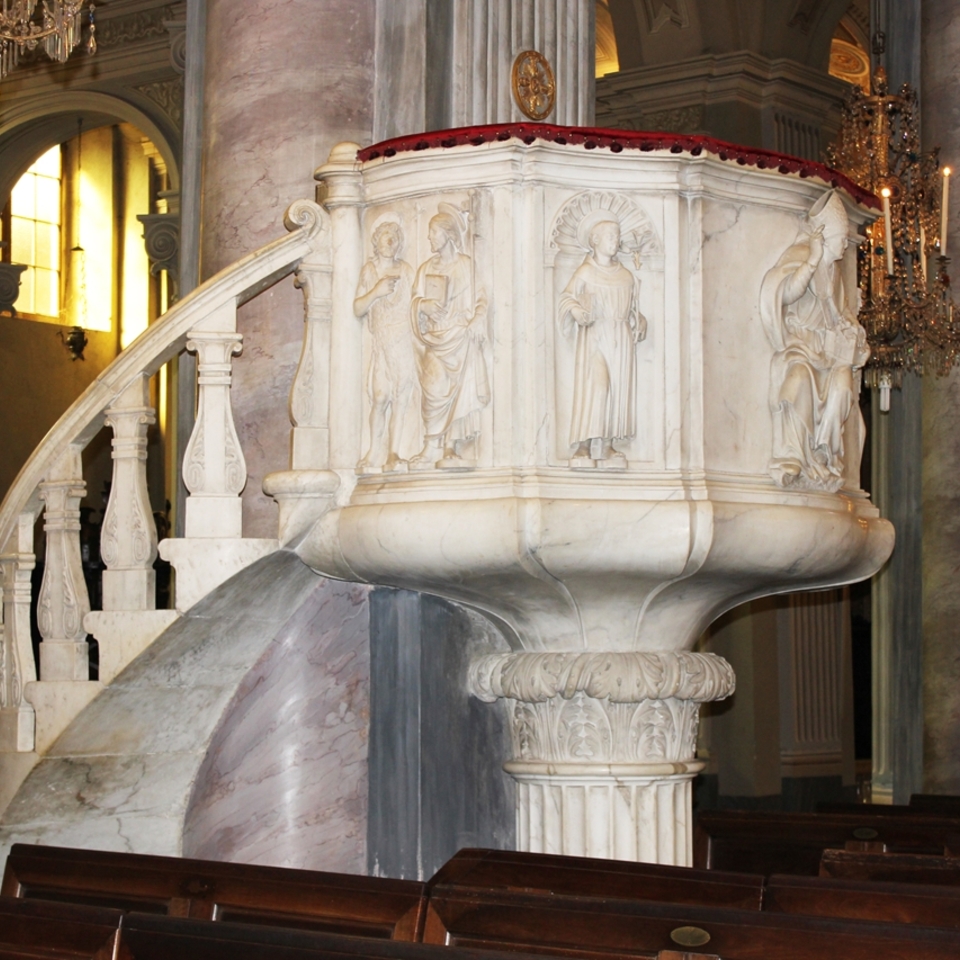
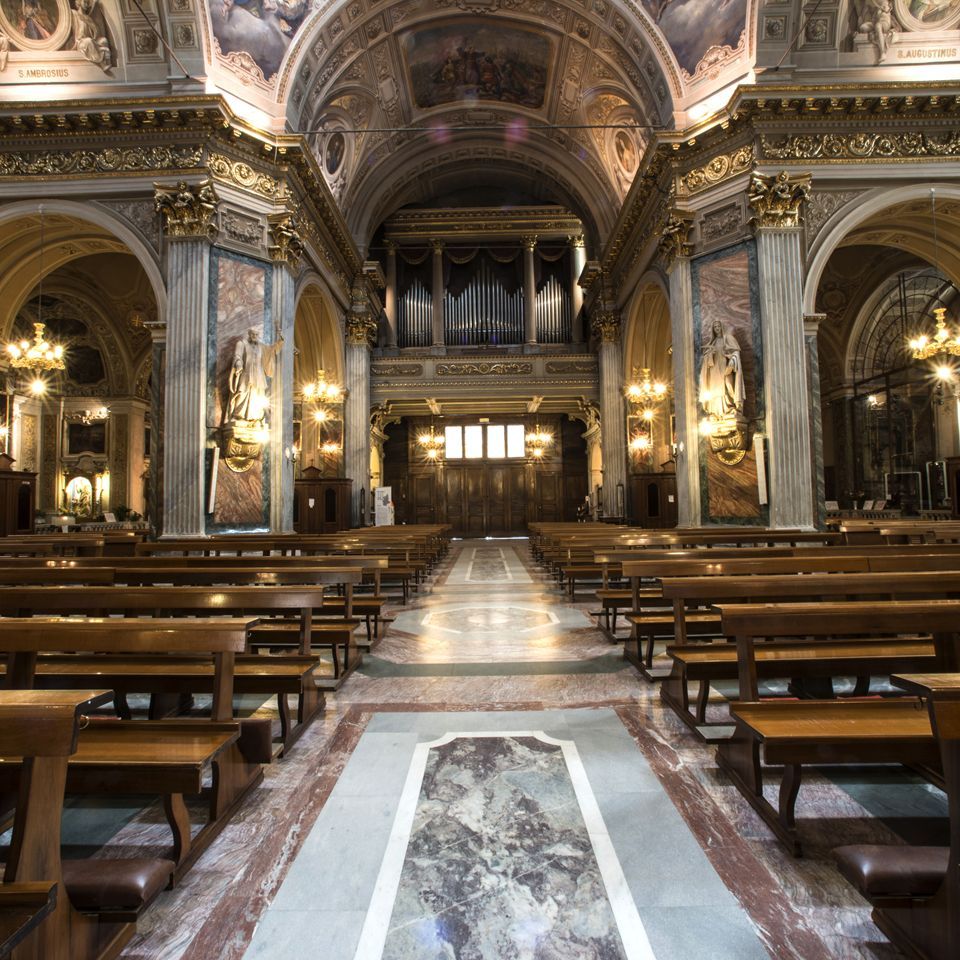
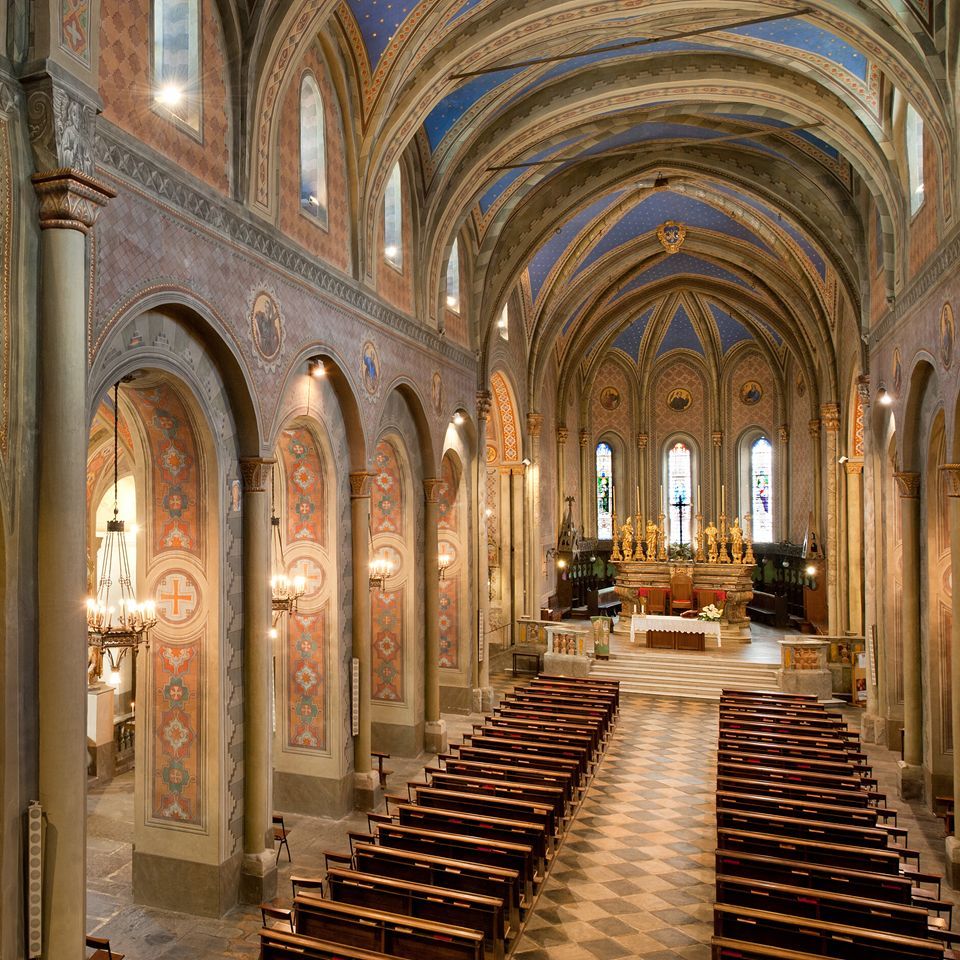
The aim of the “Città e Cattedrali” website is to give pilgrims and visitors the opportunity to enjoy this heritage, pursuing a systematic classification for promotion of religious sites and artworks that are available to the public, enhancing them with itineraries for visits by location and by theme, with complete descriptions.
The “Città e Cattedrali” portal represents a key platform for the promotion of Piedmont and Valle d’Aosta’s ecclesiastical cultural heritage. The aim is to make the portal a fully-fledged digital gateway, a space that presents and interprets an outline that will intensify the experience of visitors by allowing them to grasp specific aspects, offering the key to reading the history, art and rites of worship for each site.
Teams of volunteers constitute the driving force behind the system for enjoyment of the huge number of ecclesiastical cultural sites, concentrated in towns and cities or dotted around the regions. These trained volunteers grow in the awareness of the development of their local communities and with a sense of belonging to the cultural and landscape heritage. Thanks to their constant contributions and the work of diocesan cultural offices it will be possible to complete and update the “Città e Cattedrali” portal Arcus for "Città e Cattedrali".
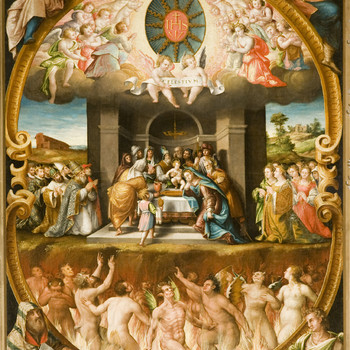
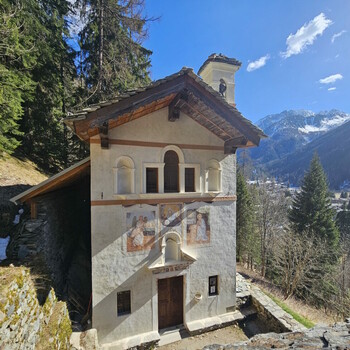
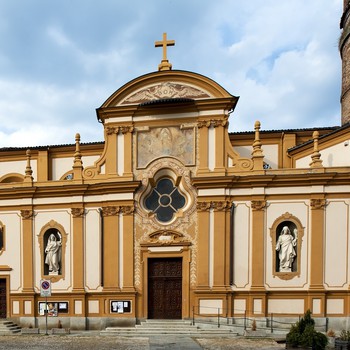
Itineraries
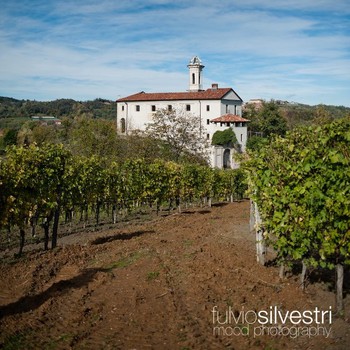
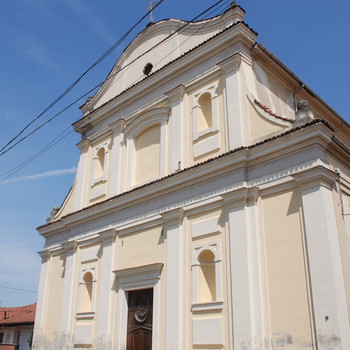
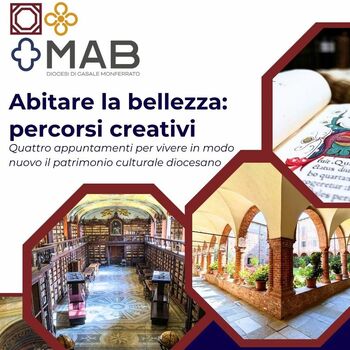
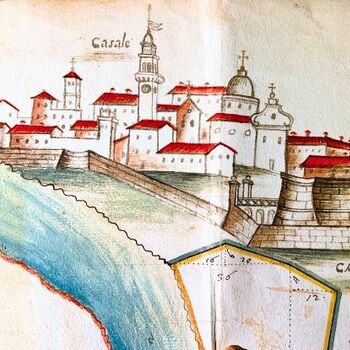

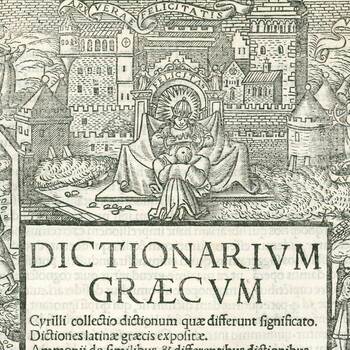
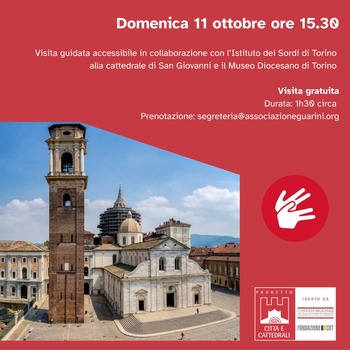
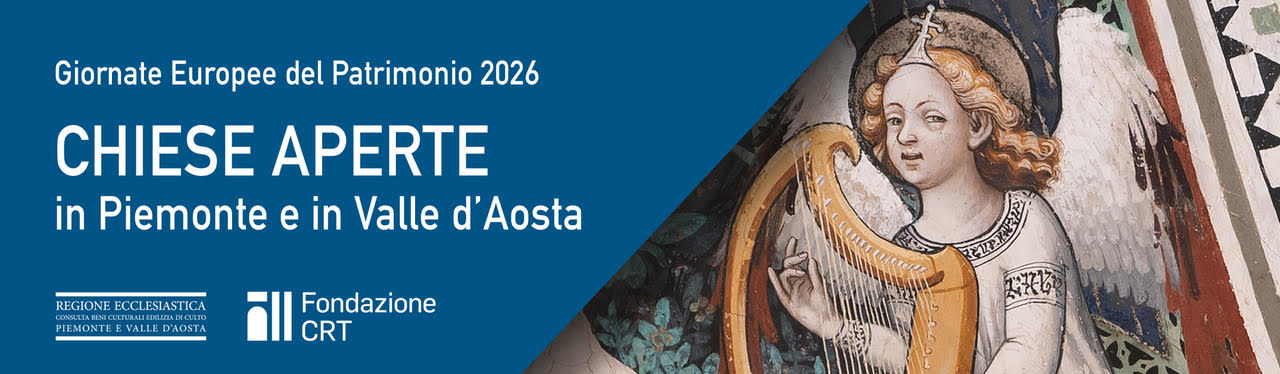
In coincidenza con le Giornate Europee del Patrimonio, le diocesi del Piemonte e della Valle d’Aosta hanno organizzato per sabato 26 e domenica 27 Settembre 2026 l’apertura straordinaria di monasteri, chiese, pievi, santuari e musei. I luoghi coinvolti nell’iniziativa, arrivata alla XII° edizione e che da quest’anno si intitola Chiese aperte, fanno parte del sistema “Città e Cattedrali”, un piano di valorizzazione di circa 700 luoghi d’arte sacra organizzati in itinerari geografici e tematici, ideato dalla Consulta per i Beni Culturali Ecclesiastici del Piemonte e della Valle d’Aosta e dalla Fondazione CRT. Oltre alle aperture dei siti, Chiese aperte 2026 propone un calendario di attività e incontri culturali per i mesi autunnali, che mette al centro persone e comunità inclusive.
Protagonisti di “Chiese aperte 2026” sono le diocesi del territorio e gli oltre 2000 volontari culturali che nel corso di tutto l’anno garantiscono la fruizione e la valorizzazione dei beni ecclesiastici. I volontari sono un’importante espressione di cittadinanza attiva.
Completano l’offerta, gli itinerari di Cultura a porte aperte, la App che consente la visita in autonomia dalle 9.00 alle 18.00 in 70 luoghi di arte sacra del Piemonte e della Valle d’Aosta. All’interno di ogni sito è presente una narrazione automatizzata arricchita da musiche, luci direzionali e facilitatori che rendono la visita accessibile alle disabilità sensoriali.

Follow us on


Scarica l'app "Cultura a porte aperte"